Why voice input for AI never took off, even though OpenAI and Anthropic recommend it
💬 Worth debating
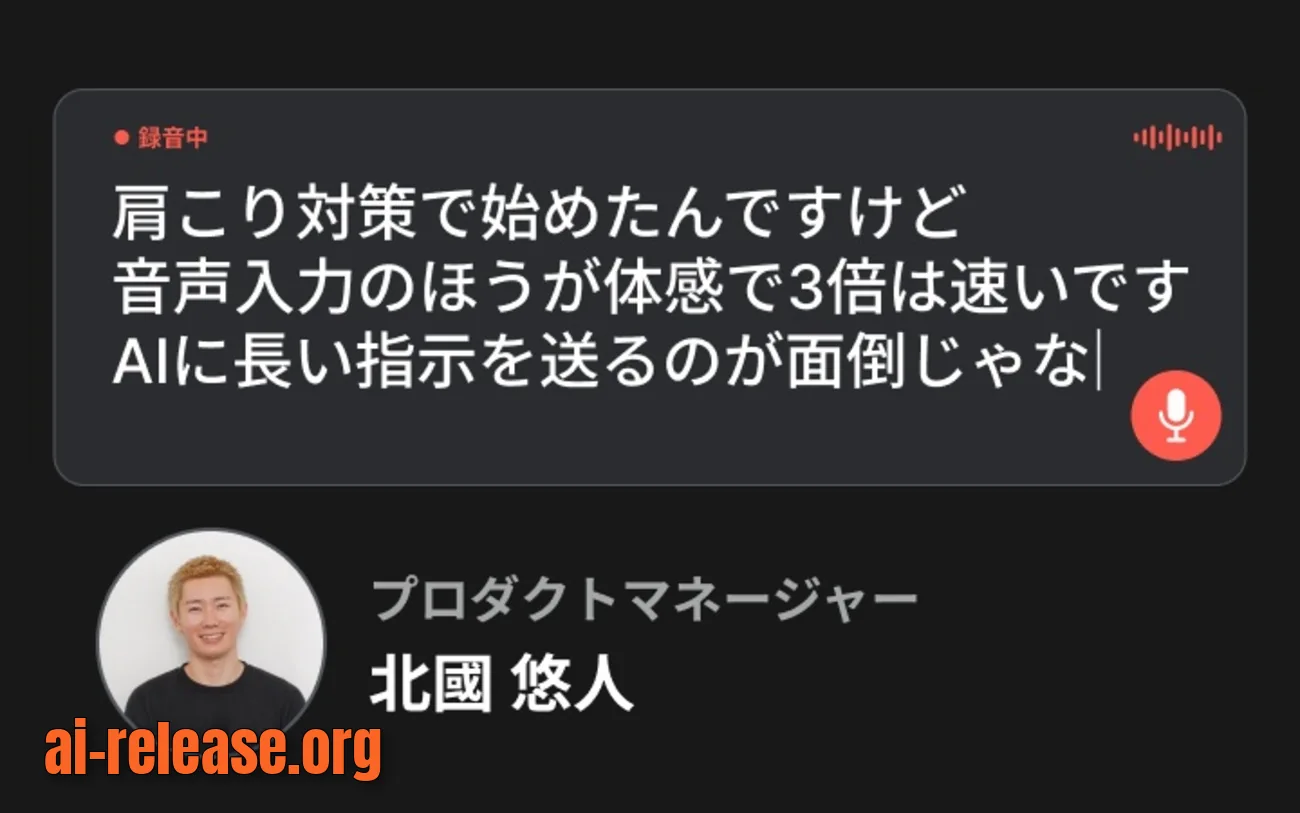
The Japanese outlet Levtech LAB has published a piece with a product manager who claims that 99% of his AI instructions are voice input. The headline sets up the paradox right away: both OpenAI and Anthropic, per the thread, recommend voice — yet in most people's day-to-day practice it never became the norm. What makes the discussion interesting is that it's not about model capabilities but about habit and interface.
The debate, as framed, is about the gap between vendor recommendations and actual user behavior. Voice can save time on long prompts, but it requires quiet, care, and trust in speech recognition. The thread presents this as personal experience rather than a measured trend, so the key question is where individual optimization ends and a mass-market use case begins.
There's also the language angle: how convenient voice input actually is for Japanese, and how recognition errors affect editing instructions. Whether one person's experience transfers to teams and other markets remains an open question.
🧠 The arguments
- For: speech is faster than typing, so voice cuts friction on long, draft-stage prompts when you need to dump a whole idea at once.
- For: mobile use and multitasking — voice input needs no keyboard and lets you dictate on the go.
- Against: accuracy. AI instructions often demand precise wording, names, and structure; recognition errors and the resulting edits can eat the entire time savings.
- Against: environment and privacy — dictating in an office, open-plan space, or on public transit is awkward, and you don't always want to say work data out loud.
- Skeptic's view: a vendor recommendation isn't the same as demand. Voice may remain a niche tool for enthusiasts rather than the new "default."
⚠️ What we don't know
The methodology and sample are unknown: how the 99% was calculated, which tools were used, and how accuracy was measured. There's also no data on whether this experience holds up beyond a single product manager.
❓ Your take
1. What's stopping you from switching to voice input for AI instructions — accuracy, environment, or habit?
2. Would you dictate work prompts if it speeds up input but requires cleanup after recognition?
3. Is voice input for AI a durable practice or a temporary hack for specific scenarios?
Source: levtech.jp
🤖 AI summary
- Date: 2026-11-16
- Source: levtech.jp
- Tags: азия, обсуждение, AI, голосовой ввод, продукт
- Key facts:
- The Japanese outlet Levtech LAB has published a piece with a product manager who claims that 99% of his AI instructions are voice input.
- The headline sets up the paradox right away: both OpenAI and Anthropic, per the thread, recommend voice — yet in most people's day-to-day practice it never became the norm.
- What makes the discussion interesting is that it's not about model capabilities but about habit and interface.
- The debate, as framed, is about the gap between vendor recommendations and actual user behavior.
- Voice can save time on long prompts, but it requires quiet, care, and trust in speech recognition.
- The thread presents this as personal experience rather than a measured trend, so the key question is where individual optimization ends and a mass-market use case begins.
- There's also the language angle: how convenient voice input actually is for Japanese, and how recognition errors affect editing instructions.
- Whether one person's experience transfers to teams and other markets remains an open question.
Source: levtech.jp · post in Telegram