AI Tool Craft Anything Makes Copies of Closed Apps: Analysis or Theft?
💬 What people are arguing about
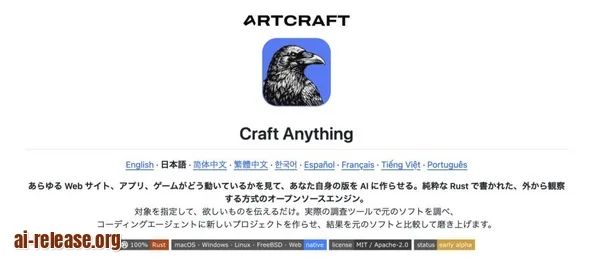
The Japanese outlet TechnoEdge described a free tool called Craft Anything: it analyzes closed-source websites, apps, and games and uses generative AI to assemble similar versions. The phrase "similar version" is the crux of the dispute: where does studying someone else's product end and cloning begin?
This is a sensitive topic for Asian indie development: small teams spend years building an interface, mechanics, and the overall feel of a product, and the result may be an AI version that's hard to distinguish from the original by description alone. At the same time, analyzing someone else's interface is a common practice in learning and competitive analysis, not something marginal.
A separate question is the economics of a free service: it's unclear who pays for generation, what happens to uploaded materials, and who owns the result.
🧠 Arguments on both sides
- For: analyzing a publicly available interface is a familiar and generally legal way to learn; the tool simply speeds up the routine.
- For: generating "something similar" is useful for prototypes, redesigns, and reconstructing legacy products without access to source code.
- Against: a "similar version" easily turns into a clone, and the line between an idea, a mechanic, and a specific expression remains blurry.
- Against: the free nature and lack of information about the service's owner create risks for those who upload other people's products or confidential data.
- Against: if clones become cheap, the work of small studios — which have no lawyers or time for disputes — is devalued.
⚠️ What we don't know
The source material contains no data about the developer, the legal basis, the quality of the results, or the terms of use. For now, this is a description of a tool, not a verified case.
❓ Your arguments
1. How does "generating a similar app" differ from reverse engineering — in substance, not in form?
2. Would you use such a service for your own product, and what must its terms include?
3. Who should be responsible for a clone: the person making the request, the model developer, or the owner of the free service?
Source: techno-edge.net
🤖 AI summary
- Date: 2026-11-09
- Source: www.techno-edge.net
- Tags: азия, обсуждение, AI, япония, авторское право, обратная разработка
- Key facts:
- The Japanese outlet TechnoEdge described a free tool called Craft Anything: it analyzes closed-source websites, apps, and games and uses generative AI to assemble similar versions.
- The phrase "similar version" is the crux of the dispute: where does studying someone else's product end and cloning begin?
- This is a sensitive topic for Asian indie development: small teams spend years building an interface, mechanics, and the overall feel of a product, and the result may be an AI version that's hard to distinguish from the original by description alone.
- At the same time, analyzing someone else's interface is a common practice in learning and competitive analysis, not something marginal.
- A separate question is the economics of a free service: it's unclear who pays for generation, what happens to uploaded materials, and who owns the result.
- For: analyzing a publicly available interface is a familiar and generally legal way to learn; the tool simply speeds up the routine.
- For: generating "something similar" is useful for prototypes, redesigns, and reconstructing legacy products without access to source code.
- Against: a "similar version" easily turns into a clone, and the line between an idea, a mechanic, and a specific expression remains blurry.
Source: www.techno-edge.net · post in Telegram