Korean court priced a deepfake and billed the schoolboy
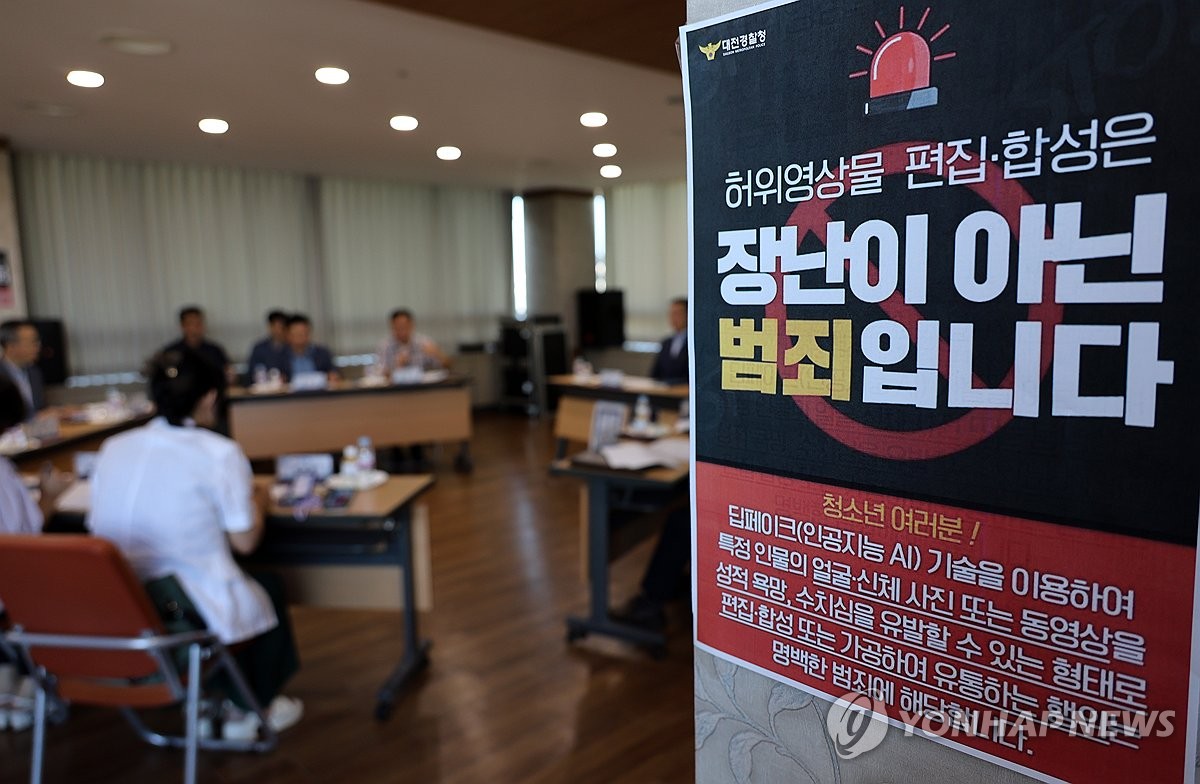
Korea just put a price tag on a deepfake. A teacher whose face was spliced into sexual material won part of a damages claim against a school student — Yonhap calls it a partial victory. Read it plainly: the court accepted the right to compensation, then trimmed the sum. Half a win. But it lands harder than a sentence — here is why. ### A sentence ends. A bill does not Criminal cases over school deepfakes drown in juvenile procedure: remorse, guardianship, suspended sentence. The victim leaves the room with moral satisfaction and no money. A civil claim works differently — it turns harm into an amount you can collect, appeal, and serve on the next teenager who thinks a montage is a joke. The joke ends where the enforcement order begins. ### Who pays The court touched only the first link — the one who made it. Behind him stand the ones who forwarded it and the ones who refused to delete it. The logic is blunt: if a copied face costs money at every step, spreading it gets expensive. The platform that "didn't notice" is the next obvious address. ### Not a one-off School deepfake scandals stopped being rare in Korea a while ago, which is why this ruling reads as a signal rather than one school's bad story. While other countries still debate whether such a montage counts as "an image" or "creative work", Korea files it under expenses. The gap is huge: public shame on one side, debt collection on the other. One more detail: the plaintiff is a teacher. An adult whose face sits in public view by virtue of the job. The court protected him — and by extension anyone whose photo can be copied in a minute. ### The price of a copy Deepfakes get cheaper every month. You no longer need a studio to swap a face — a phone and a couple of minutes will do. Tools multiply, protection does not. A lawsuit is one of the few mechanisms that even tries to balance the ratio: costs move from the victim to the author. While detectors race generators, courts do what technology cannot. They set the price. ### The problem with "partly" A partial win is a compromise. The sum is probably modest, and next time the defendant will calculate not "is this shameful" but "how much will it cost me". That arithmetic is cynical — and it works better than lectures on digital ethics. On the other hand, "partly" leaves room to bargain: the defendant quickly learns he can buy his way out. A bad signal. Still better than nothing. The real change: the victim now has a tool that does not depend on the prosecutor's mood or the offender's age. <a href="https://www.yna.co.kr/view/AKR20261021057800065" rel="noopener" target="_blank">Yonhap News</a> Prediction: The next defendants will be the ones who forwarded and hosted it — claims will move down the chain. Disclaimer: not officially confirmed, single source (Yonhap); the amount and details of the ruling are undisclosed
🤖 AI summary
- Date: 2026-10-24
- Source: www.yna.co.kr
- Tags: дипфейк, Корея, court
- Key facts:
- Korea just put a price tag on a deepfake.
- A teacher whose face was spliced into sexual material won part of a damages claim against a school student — Yonhap calls it a partial victory.
- Read it plainly: the court accepted the right to compensation, then trimmed the sum.
- But it lands harder than a sentence — here is why.
- A bill does not Criminal cases over school deepfakes drown in juvenile procedure: remorse, guardianship, suspended sentence.
- The victim leaves the room with moral satisfaction and no money.
- A civil claim works differently — it turns harm into an amount you can collect, appeal, and serve on the next teenager who thinks a montage is a joke.
- The joke ends where the enforcement order begins.
Source: www.yna.co.kr · post in Telegram