File extensions in Windows: a guide to configuring and managing them
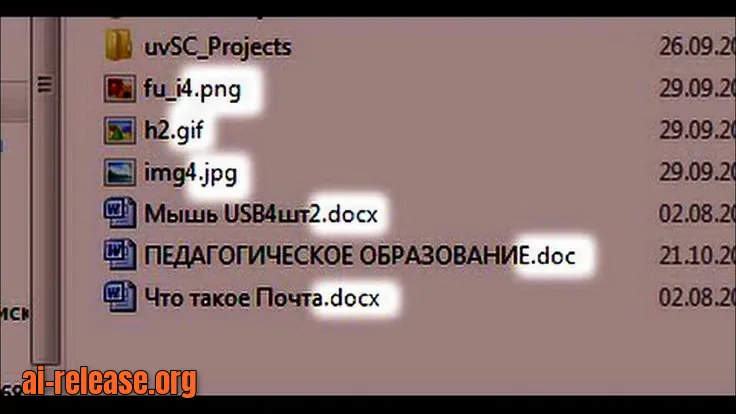
⚡ The gist in 5 seconds - A file extension in Windows is the suffix after the dot that determines which program opens the file and how it behaves. - A guide on the Russian-language portal Windows Noticias helps you make sense of extensions. - Limitation: when extensions are hidden, neither Windows nor the user sees the suffix — which noticeably reduces control over file types. ### 🔍 What was found A piece published on the Windows Noticias portal breaks down the basics of working with file extensions in Windows. An extension is the suffix after the dot in a file name — it's what the system and the user rely on to determine what kind of data they're dealing with. It's the suffix Windows uses when choosing the program that opens the file, and it determines the file's subsequent behavior. The guide explains why extensions exist at all and how they affect the system. That's the structure of the piece: first the underlying principle, then the practical settings. It specifically emphasizes that always showing extensions in File Explorer improves control: you immediately see what type of file you're working with and are less likely to launch something unexpected. The article leads to a practical step — check your Windows File Explorer settings and decide which display option suits your everyday workflow. ### 💡 Why it matters The practical value of the guide comes down to this: a basic understanding of extensions directly affects the security and predictability of file operations. When extensions are hidden, a file can be mistaken for something else or accidentally send the system the wrong command. Being able to see the suffix right away makes it easier to assess a file's contents before running it. For a geek, it's also a way to tidy up their own settings: deciding whether to always show extensions or leave things as they are, based on your personal use case. ### 🧩 Context File extensions are one of those things Windows uses constantly but that often go unnoticed on screen. Yet it's precisely the suffix after the dot that determines which program opens a file and how it behaves after launch. Understanding this logic makes it easier to manage files and be deliberate about File Explorer settings. The guide on Windows Noticias focuses on exactly this aspect: not memorizing individual file types, but systematically understanding the role extensions play in everyday work with Windows.
🤖 AI summary
- Date: 2026-09-28
- Source: ru.windowsnoticias.com
- Tags: windows, расширения, проводник
- Key facts:
- ⚡ The gist in 5 seconds - A file extension in Windows is the suffix after the dot that determines which program opens the file and how it behaves.
- - A guide on the Russian-language portal Windows Noticias helps you make sense of extensions.
- - Limitation: when extensions are hidden, neither Windows nor the user sees the suffix — which noticeably reduces control over file types.
- 🔍 What was found A piece published on the Windows Noticias portal breaks down the basics of working with file extensions in Windows.
- An extension is the suffix after the dot in a file name — it's what the system and the user rely on to determine what kind of data they're dealing with.
- It's the suffix Windows uses when choosing the program that opens the file, and it determines the file's subsequent behavior.
- The guide explains why extensions exist at all and how they affect the system.
- That's the structure of the piece: first the underlying principle, then the practical settings.
windowsрасширенияпроводник
Read the guide on this topic
← PreviousWindows 11 24H2 will soon stop receiving security updates...Next →How to choose and test an LLM for work tasks: Claude, GPT, Gemini, and other models
Source: ru.windowsnoticias.com · post in Telegram