Nvidia shrugs off memory glut fears and keeps the CXMT door open
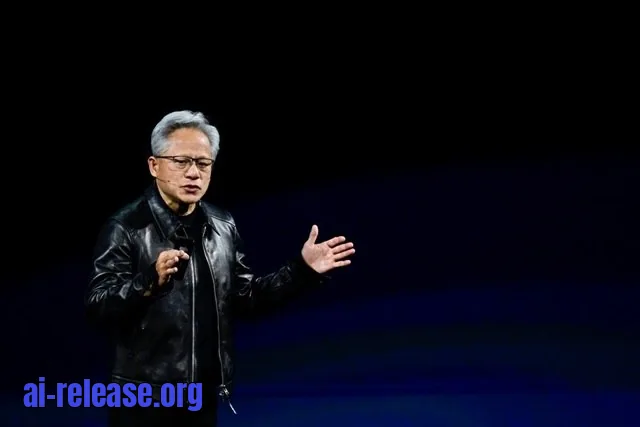
Memory stocks are being sold on fear of a glut: valuations sliding, new Chinese DRAM projects closing in, everyone waiting for prices to break. Huang stepped out and said: not happening. Supply will not outrun demand in the coming years. That is not an analyst with a chart. That is the buyer who takes more memory than anyone else on the planet. Whatever Nvidia pencils in becomes the price. ### What he actually said At GTC Berlin Jensen Huang made two statements companies usually keep to themselves. One: Nvidia does not expect memory supply to exceed demand in the coming years. Two: the company remains open to working with China's ChangXin Memory Technologies, CXMT. CNBC carried the comments, DigiTimes logged them. The market's logic until now was simple: China is ramping DRAM, so it will flood the market, so memory margins go down. Huang did not confirm that story — and in doing so told memory makers not to cut output out of fear. ### Why it hits the whole chain Memory runs on cycles. Today a shortage and a queue, tomorrow a warehouse and a crash. Makers react to fear faster than to demand: trim capex, and a year later the shortage is back. A statement from the biggest customer works like an emergency brake. If demand holds, SK hynix, Samsung and Micron have fewer reasons to discount. For everyone else that means one thing: it does not get cheaper. Not servers, not GPUs, not the memory on a retail shelf. ### The second half matters more CXMT. On a memory question, Huang could have said "we work with all partners" and walked off. He named a Chinese DRAM maker in plain words and left the door open. That is a signal in two directions. CXMT gets a line in the biggest buyer's agenda — status "maybe", but a line nonetheless. And the market gets a reason to recount who is even allowed to compete for a slot in the AI supply chain. Right now that list is Korean and American; China sits in the risk column. After a sentence like that, it moves to the options column. ### What is not here A signed contract. No qualification, no volumes, no timeline. Saying it on a conference stage is not shipping it into a rack. And the biggest caveat: the rules for China's memory market are not written by Nvidia. DigiTimes is reporting a comment, not a deal. One sentence can be worth more than a purchase order — but only until someone confirms or kills it. ### The bet If Huang is right, the memory bubble story deflates on its own: there was panic, there was no crash. If he is wrong, the market gets a second leg down on pricing and the openness to CXMT turns out to be protocol diplomacy. Prediction: As long as memory is tight, glut talk stays talk — but the first drop in contract prices will force Nvidia to repeat that sentence, louder. Disclaimer: conference comment reported by DigiTimes and CNBC, not officially confirmed <a href="https://www.digitimes.com/news/a20261023PD243/nvidia-cxmt-demand-technology-market.html" rel="noopener" target="_blank">DigiTimes</a>
🤖 AI summary
- Date: 2026-10-24
- Source: www.digitimes.com
- Tags: Nvidia, CXMT, DRAM
- Key facts:
- Memory stocks are being sold on fear of a glut: valuations sliding, new Chinese DRAM projects closing in, everyone waiting for prices to break.
- Huang stepped out and said: not happening.
- Supply will not outrun demand in the coming years.
- That is not an analyst with a chart.
- That is the buyer who takes more memory than anyone else on the planet.
- Whatever Nvidia pencils in becomes the price.
- What he actually said At GTC Berlin Jensen Huang made two statements companies usually keep to themselves.
- One: Nvidia does not expect memory supply to exceed demand in the coming years.
Source: www.digitimes.com · post in Telegram